Skip to content
TumbiliSafaris
es — Españolen — English
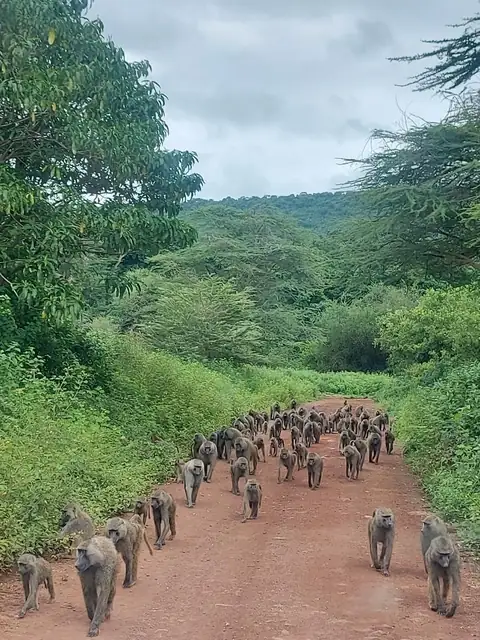
A troop of baboons walking along the red dirt track

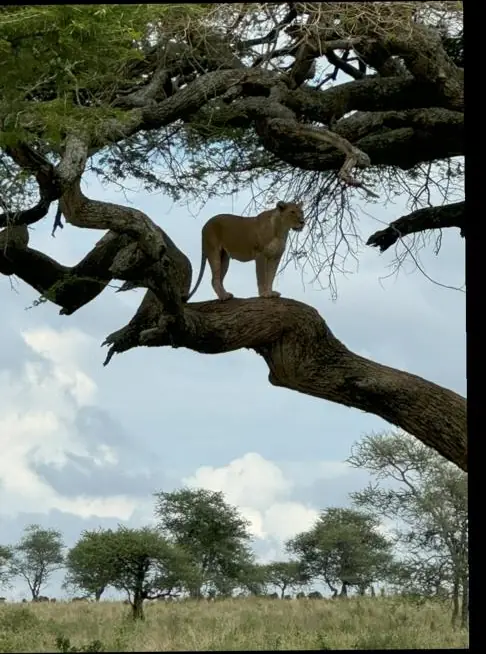
The tree-climbing lions

Lake Manyara

It is the smallest of the four and the most different. You enter through closed groundwater forest of figs and mahogany fed by underground springs, and then it opens onto the alkaline lake with the Great Rift Valley escarpment behind.

Area
330 km², two thirds lake
Established
1960
Known for
Tree-climbing lions and baboons
Nights we suggest
Half a day or 1

The lions in the trees

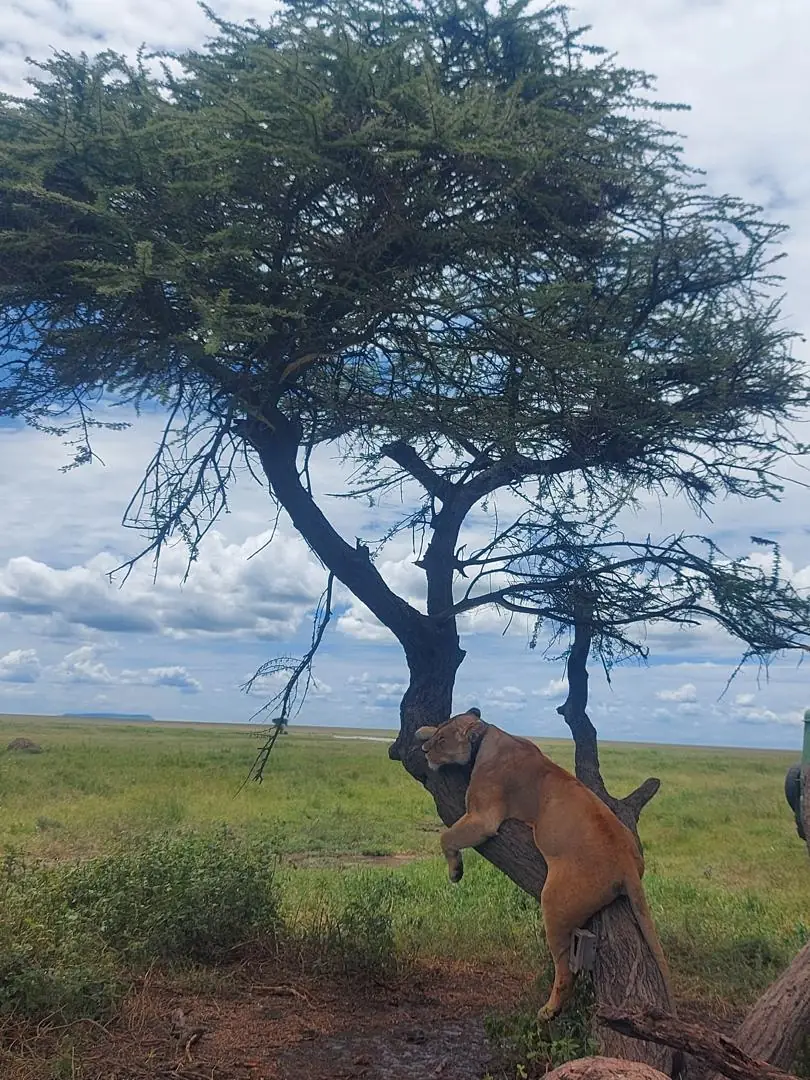
Manyara is the place that made tree-climbing lions famous. They are not a separate subspecies: it is learned behaviour passed on within these particular prides, and it barely occurs elsewhere in Africa.

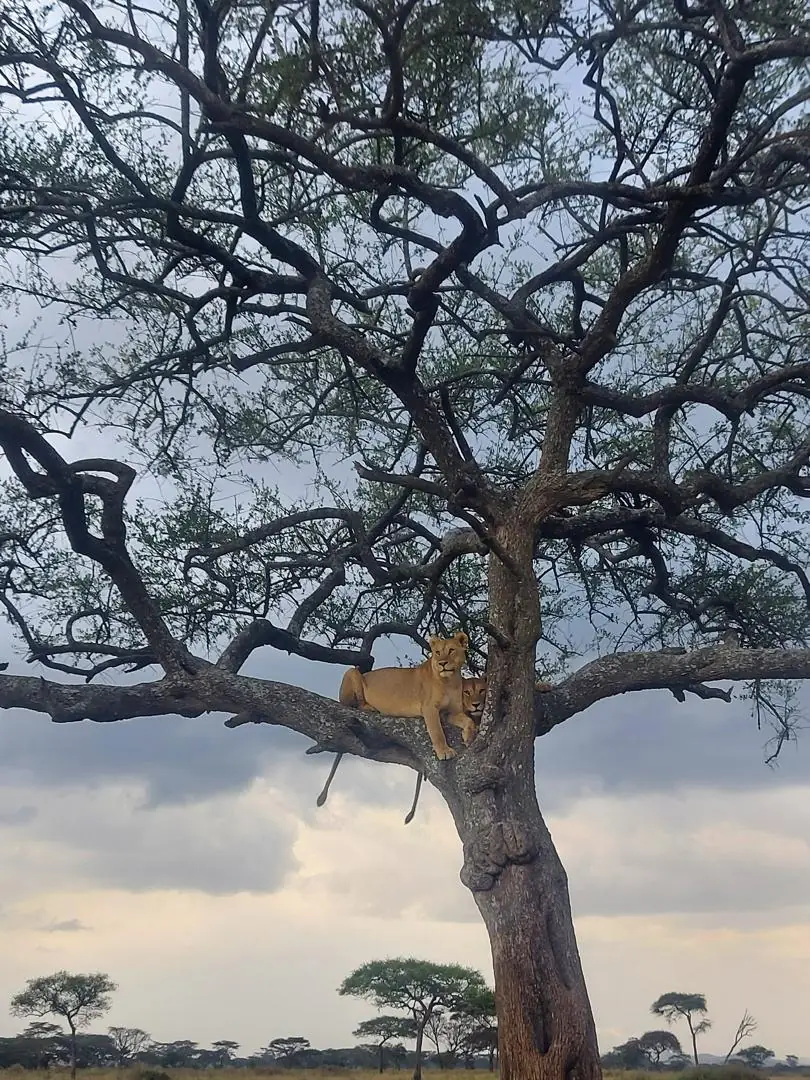
Seeing them is not guaranteed — the park is small but the forest is thick — and it is worth going with expectations set. When they do appear, draped flat along a branch with their legs hanging down, it is one of the best photographs of the trip.

Baboons everywhere

Manyara has one of the largest baboon concentrations in Africa: troops of a hundred or more crossing the track without so much as glancing at the vehicle. There are vervet monkeys too, the black-faced ones, which are precisely the tumbili we are named after.

Basic rule: windows closed when you stop to eat. The baboons here know exactly what a lunch box is.

The lake and the flamingos

The lake is alkaline and shallow, and its level varies enormously from season to season. When conditions are right it fills with flamingos, pelicans and storks, though it is worth knowing they are not always there: they depend on the algae, and the algae depend on the rain.

It is hippo country too, and they are easy to see from the viewpoint in the northern section.
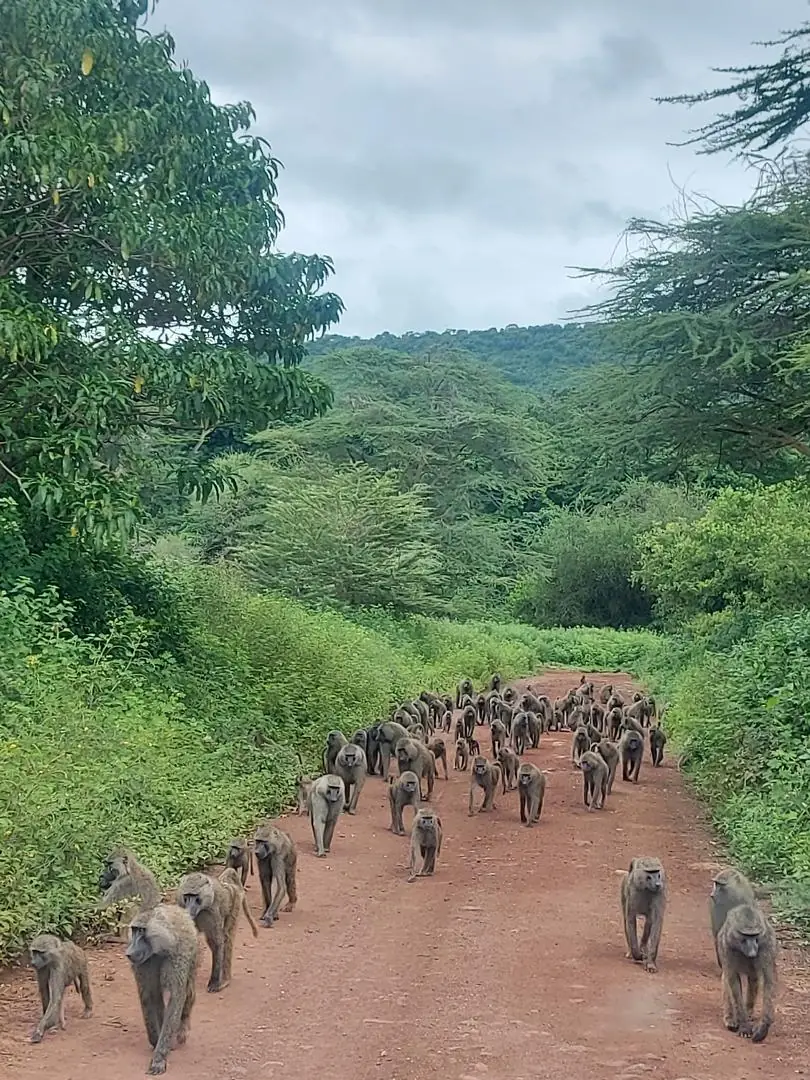
A troop of baboons walking along the red dirt track
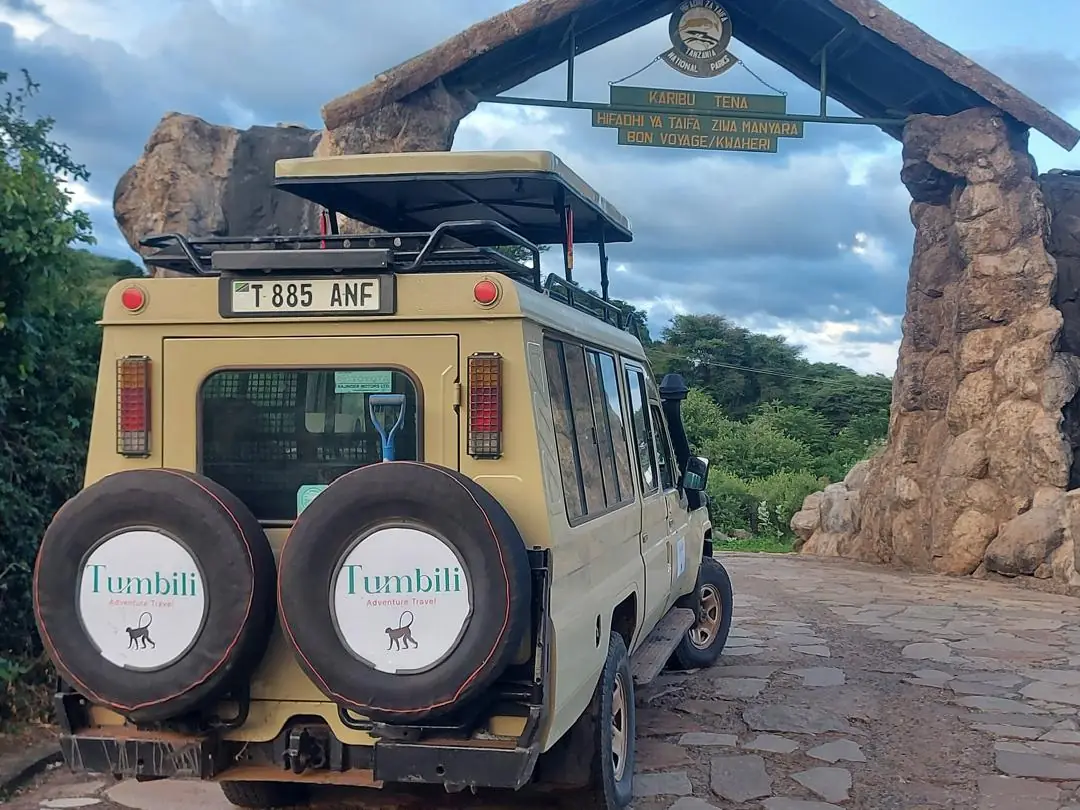
The Tumbili safari vehicle at the gate of Lake Manyara National Park
A lioness climbing a tree trunk
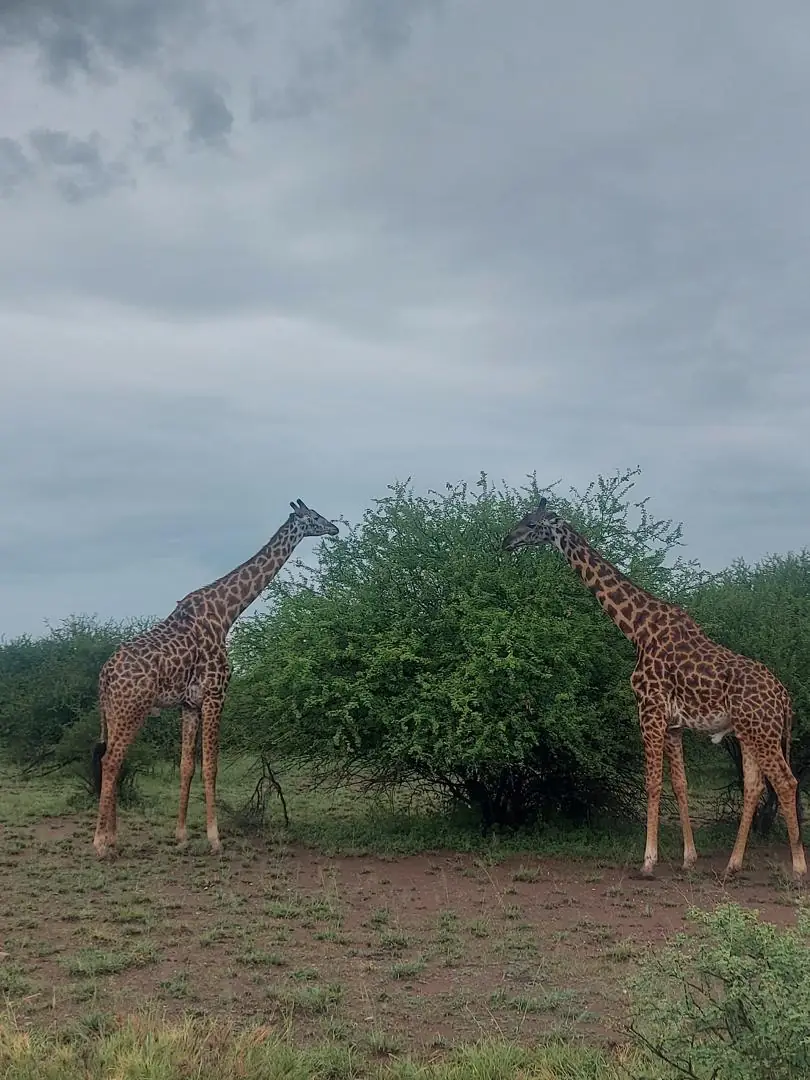
Giraffes feeding among the scrub
A lioness resting in a tree under an overcast sky
A lion resting on the branch of an acacia tree

Questions about Lake Manyara

Are you sure to see the tree-climbing lions at Manyara?

There is no guarantee: the park is small but heavily wooded and the lions are few. They are seen fairly regularly and we know their usual spots, which is where we tend to find them.

How long do you need at Lake Manyara?

A long half day is enough to cover it properly. It sits very naturally between Tarangire and Ngorongoro, which is how the route is usually built.

Are the flamingos always there?

No. They depend on the level of the lake and on the algae they feed on, so their numbers vary enormously from year to year and season to season.

Shall we build your safari through Lake Manyara?

Tell us how many of you there are, how many days you have and roughly when. We come back with a proposal and a fixed price, no obligation.