Skip to content
TumbiliSafaris
es — Españolen — English
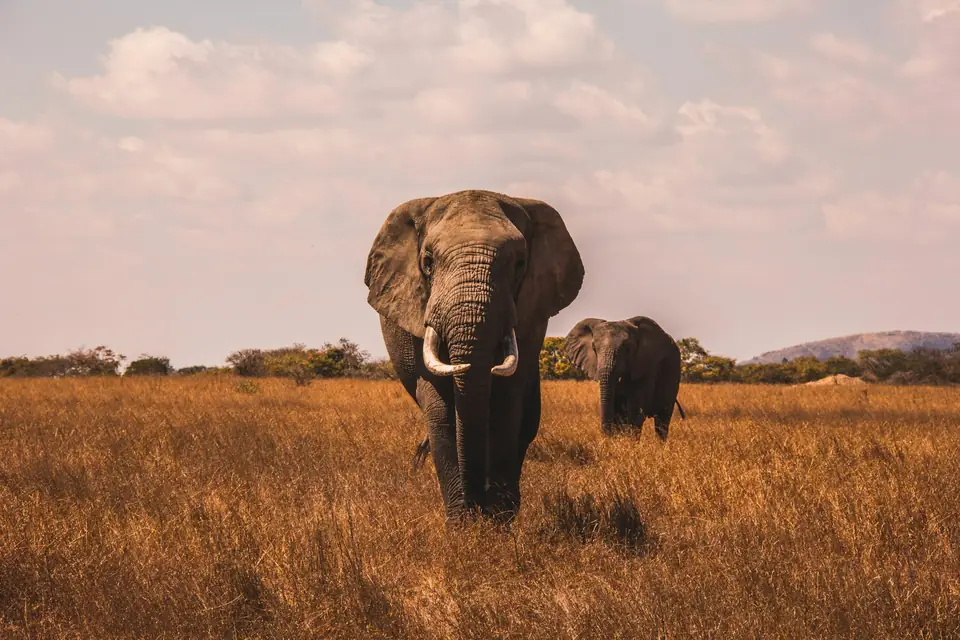
A pair of elephants crossing the golden grass

The baobabs

Tarangire

Tarangire is the park people skip for lack of days and then talk about most. In the dry season it holds one of the highest elephant densities in Africa, and it does it in a landscape of baobabs that looks like nowhere else.

Area
2,850 km²
Established
1970
Known for
Elephants and baobabs
Nights we suggest
1 or 2

The river explains everything

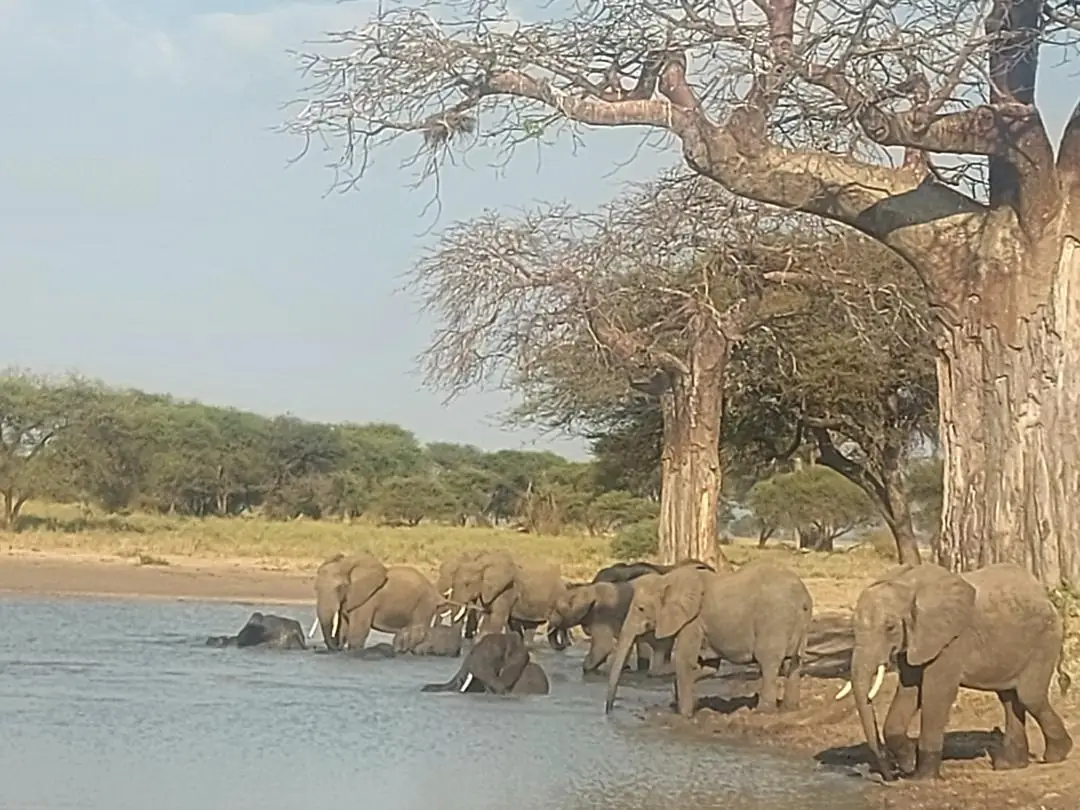
The Tarangire river is the only permanent water across an enormous area. In the dry season, June to October, everything living within a radius of kilometres comes down here to drink, and the park turns into a funnel: herds of hundreds of elephants, buffalo, zebra and wildebeest concentrated on the banks.

In the rains the opposite happens: there is water everywhere, the animals disperse and the park empties out considerably. It is the only one of the four where the season radically changes what you will see.

The baobabs

Tarangire's baobabs are hundreds of years old, some more than a thousand. They are absurd trees: a swollen trunk several metres across to store water, and branches on top that look like roots, which earned them the nickname of the upside-down tree.

Many have scars on the trunk, marks left by elephants scraping with their tusks to get at the damp pulp inside when there is no water.

Lions in the trees

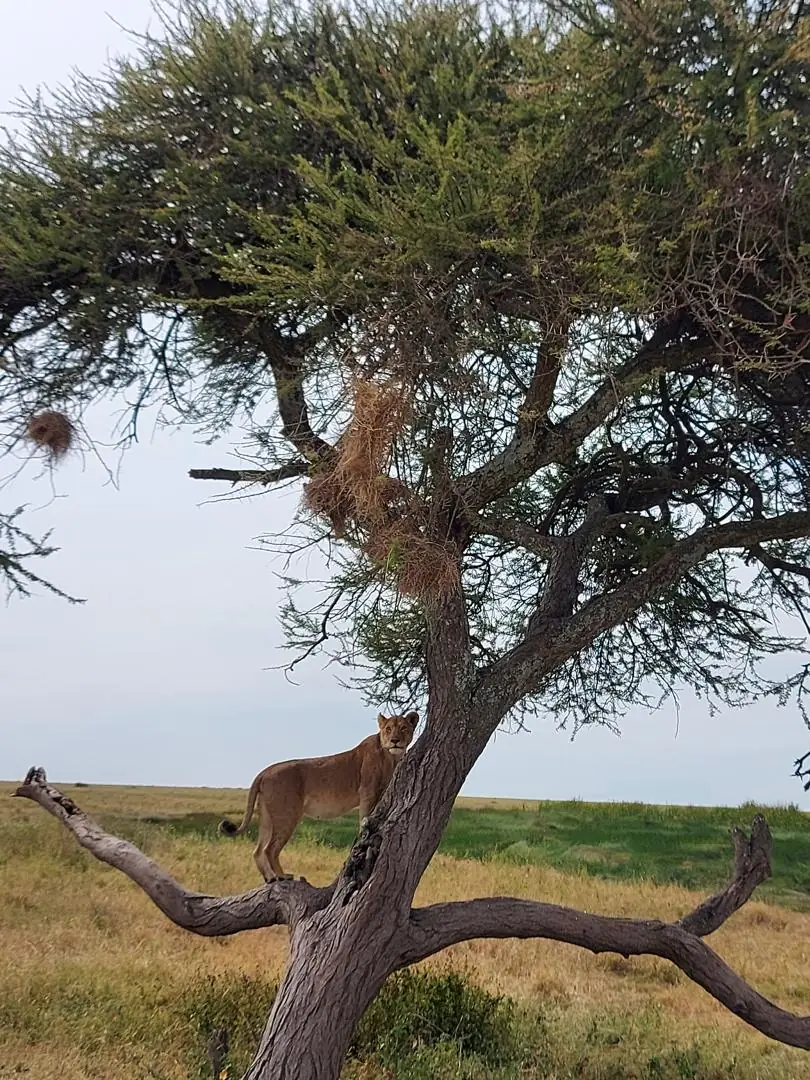
Tarangire shares with Lake Manyara the oddity of lions that climb trees. Nobody is entirely sure why they do it — to escape the flies, for shade with a breeze, to see better — but these are the two places in the north where it happens regularly.

There are pythons in the branches too, which is rarer still and a good deal harder to find.
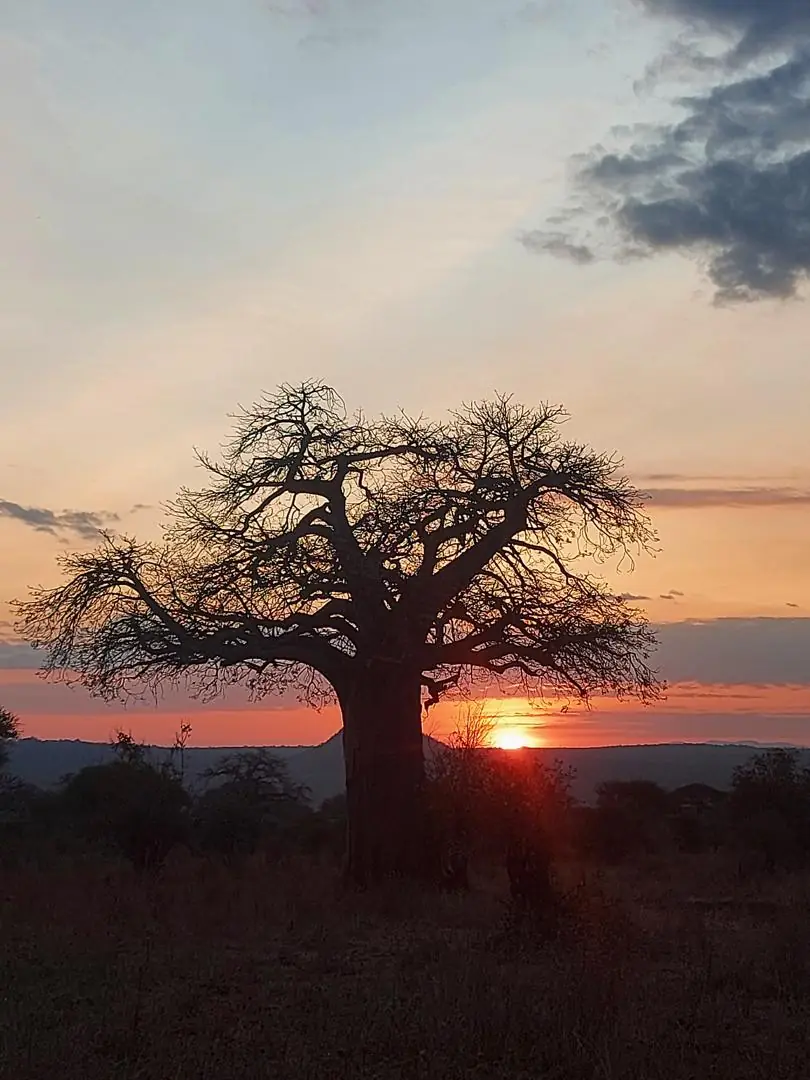
A baobab silhouetted against the afternoon sun
A herd of elephants drinking at the river beneath the baobabs
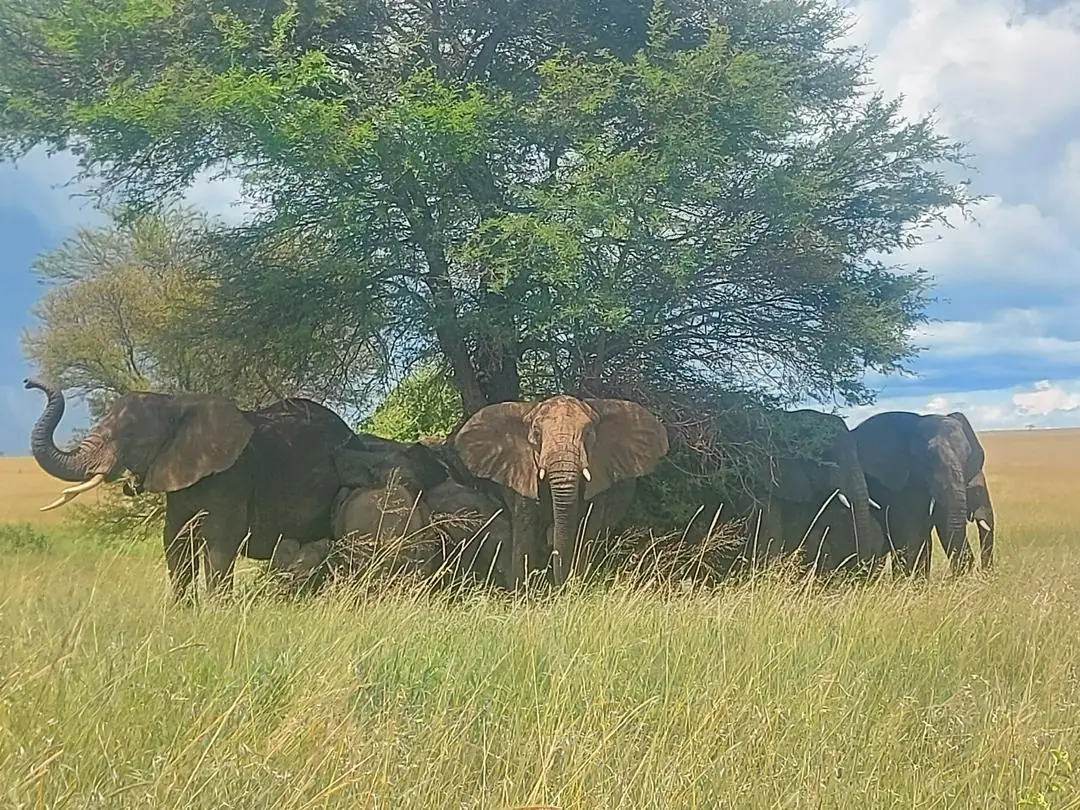
A herd of elephants under an acacia in the golden grass
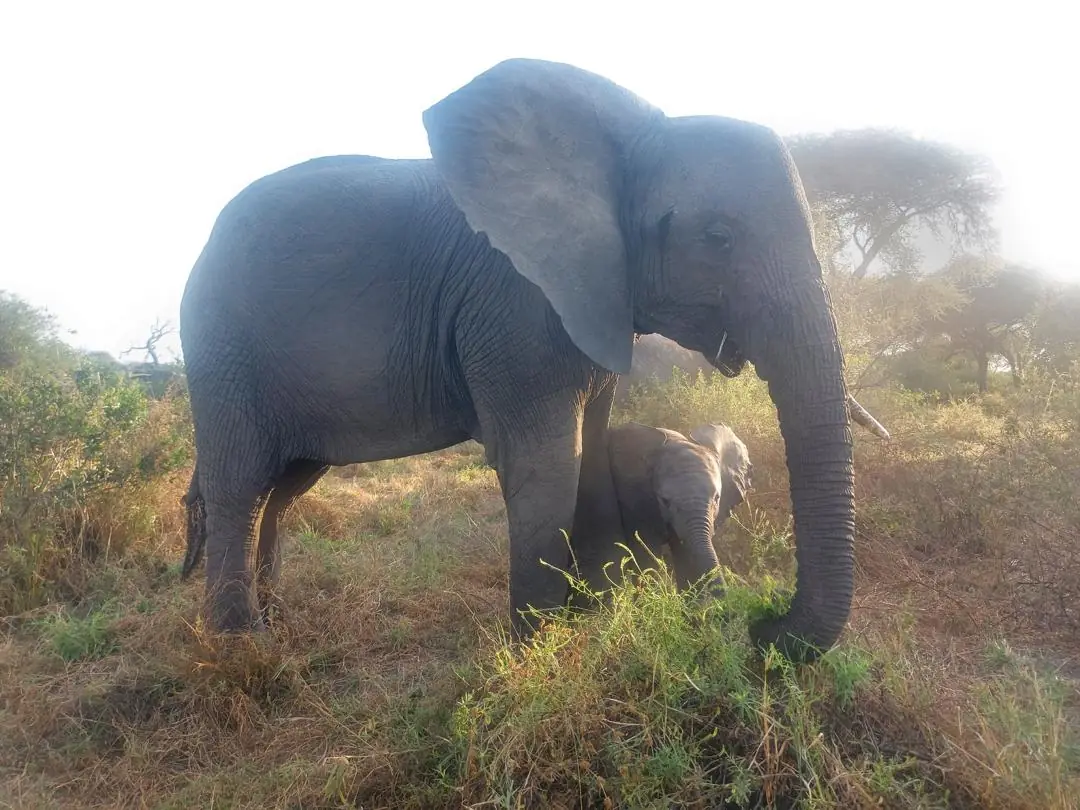
A female elephant shielding her calf in the tall grass
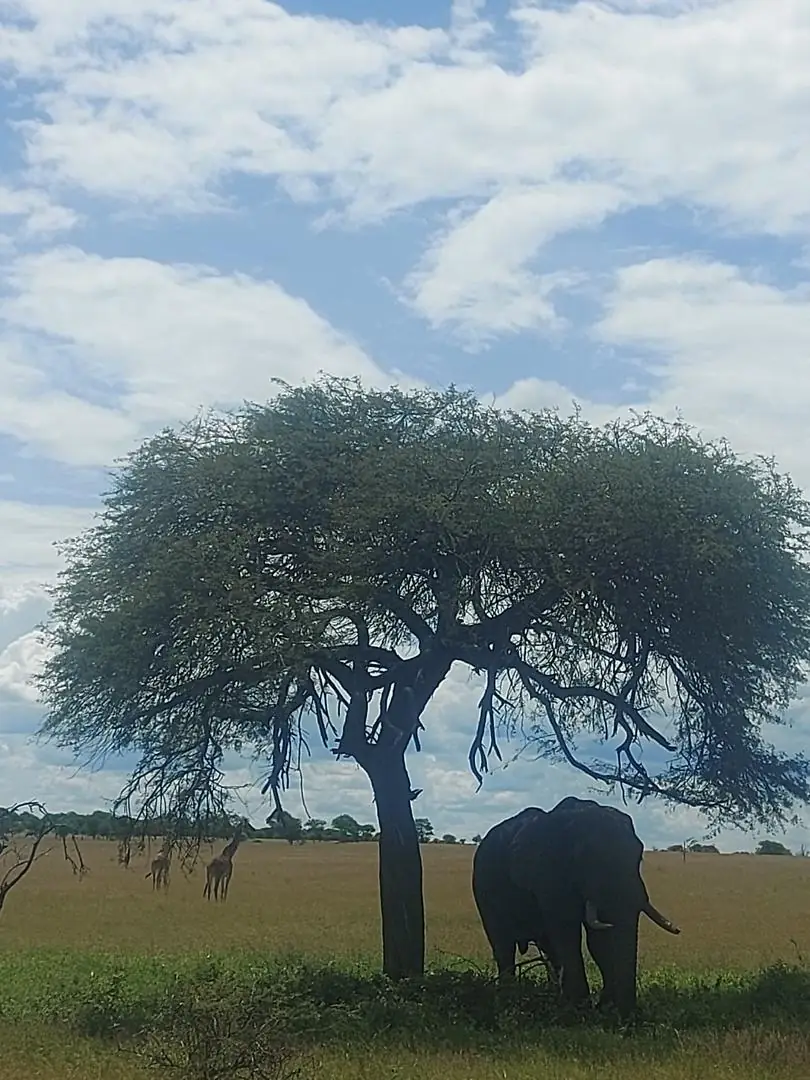
An elephant beneath a great acacia on the plain
A lioness up on an acacia branch

Questions about Tarangire

Is Tarangire worth it?

In the dry season, very much: it is where you will see the most elephants of the whole trip and the baobab landscape is unique. In the rains, if you are short on days, they make more sense spent in the Serengeti.

How many elephants are there in Tarangire?

The ecosystem population is estimated in the several thousands, and in the dry season they concentrate around the river. Herds of more than a hundred animals together are common.

Is it far from Arusha?

About two to three hours on tarmac, so it is usually the first stop of the safari when you leave Arusha.

Shall we build your safari through Tarangire?

Tell us how many of you there are, how many days you have and roughly when. We come back with a proposal and a fixed price, no obligation.