Why you see so much in so little space
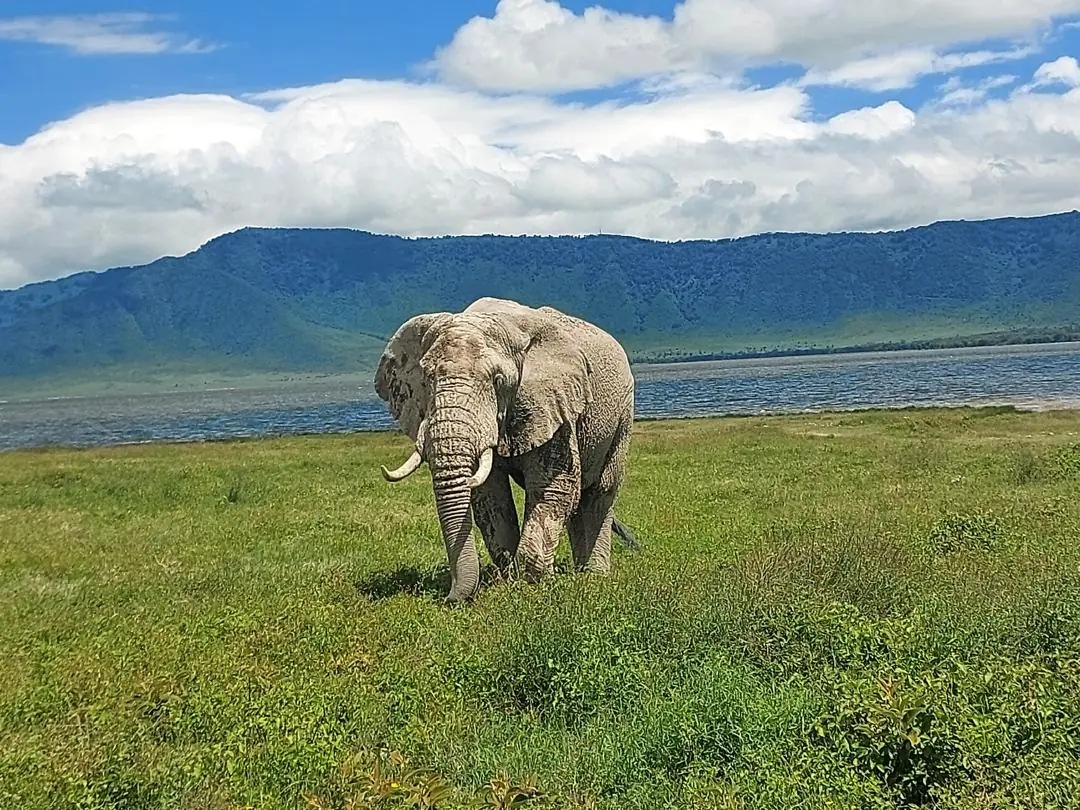
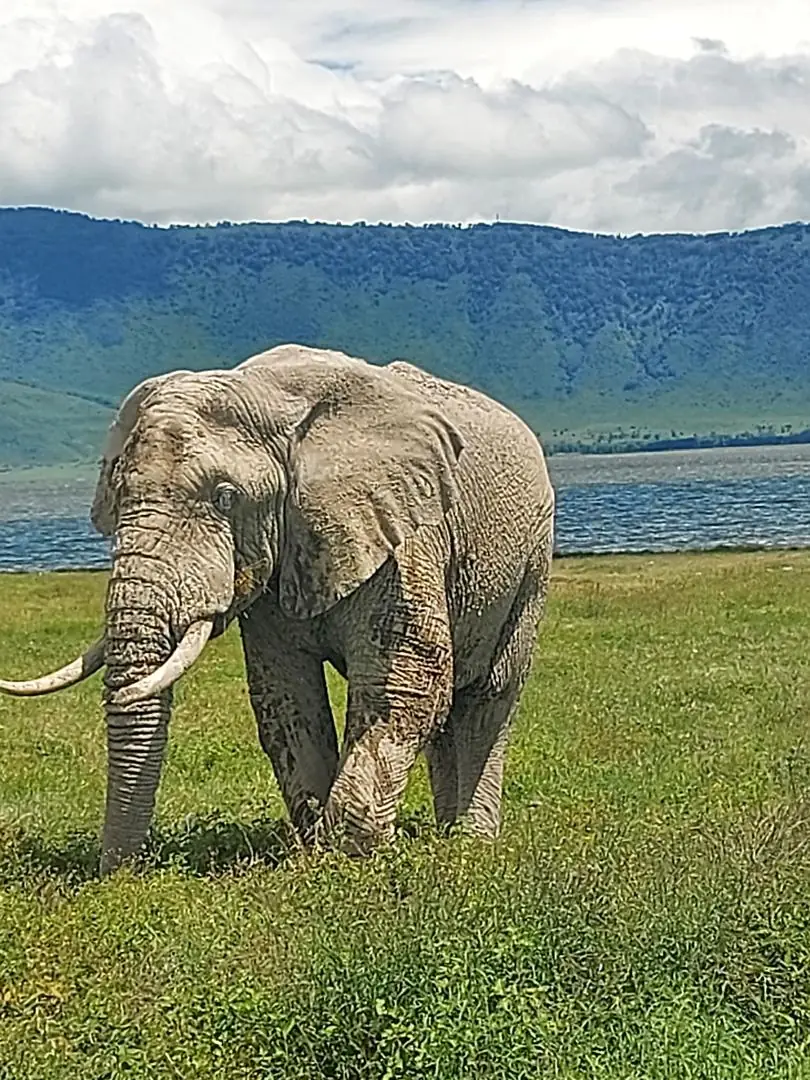
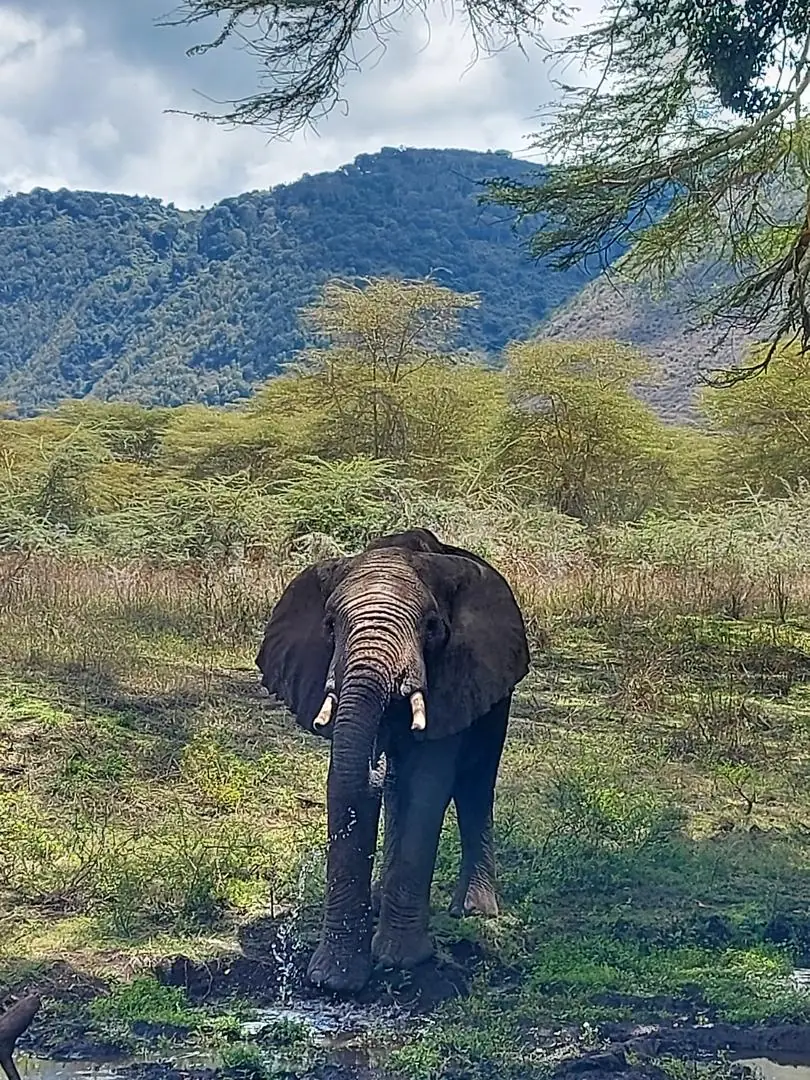
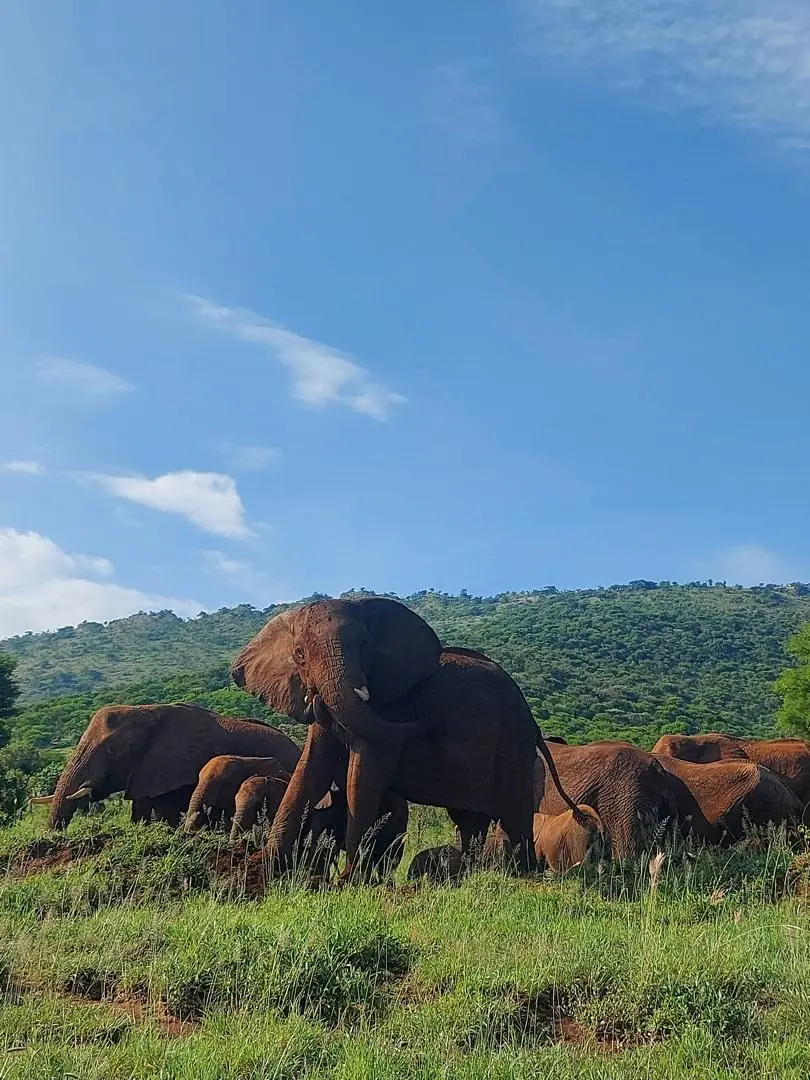
Inside the crater there is water and grazing all year, so the wildlife does not need to migrate. An estimated 25,000 large animals live there permanently in barely 260 square kilometres: the densest stable concentration of wildlife in Africa.
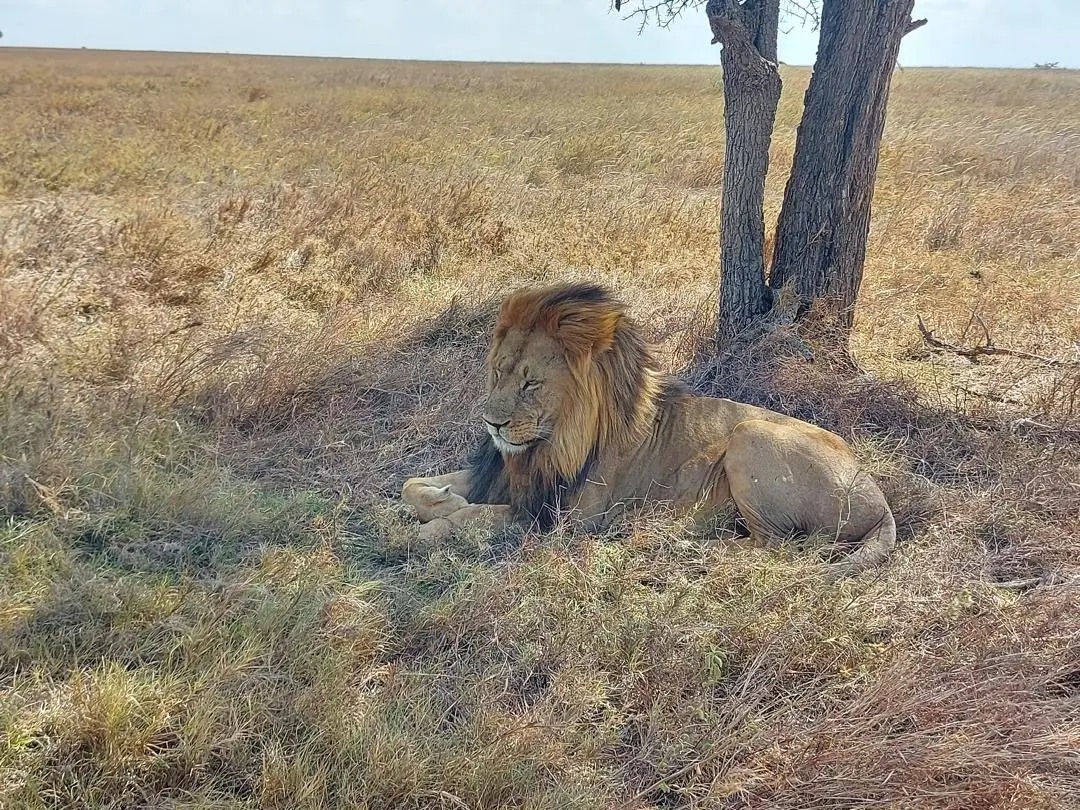
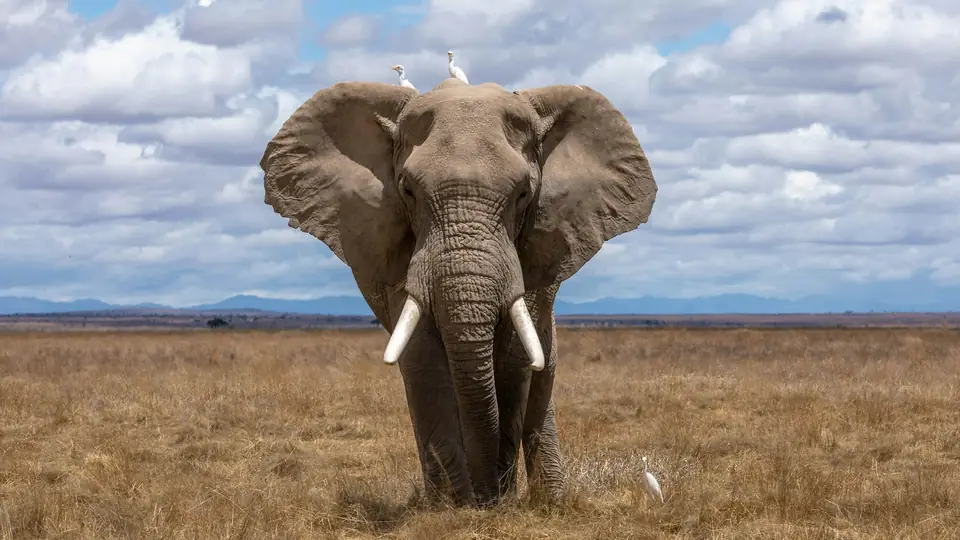
That makes it the likeliest place to see the big five in a single day. Lion, elephant, buffalo and black rhino are inside; leopard is more of a rim-forest animal, in the wooded areas and the Lerai forest.
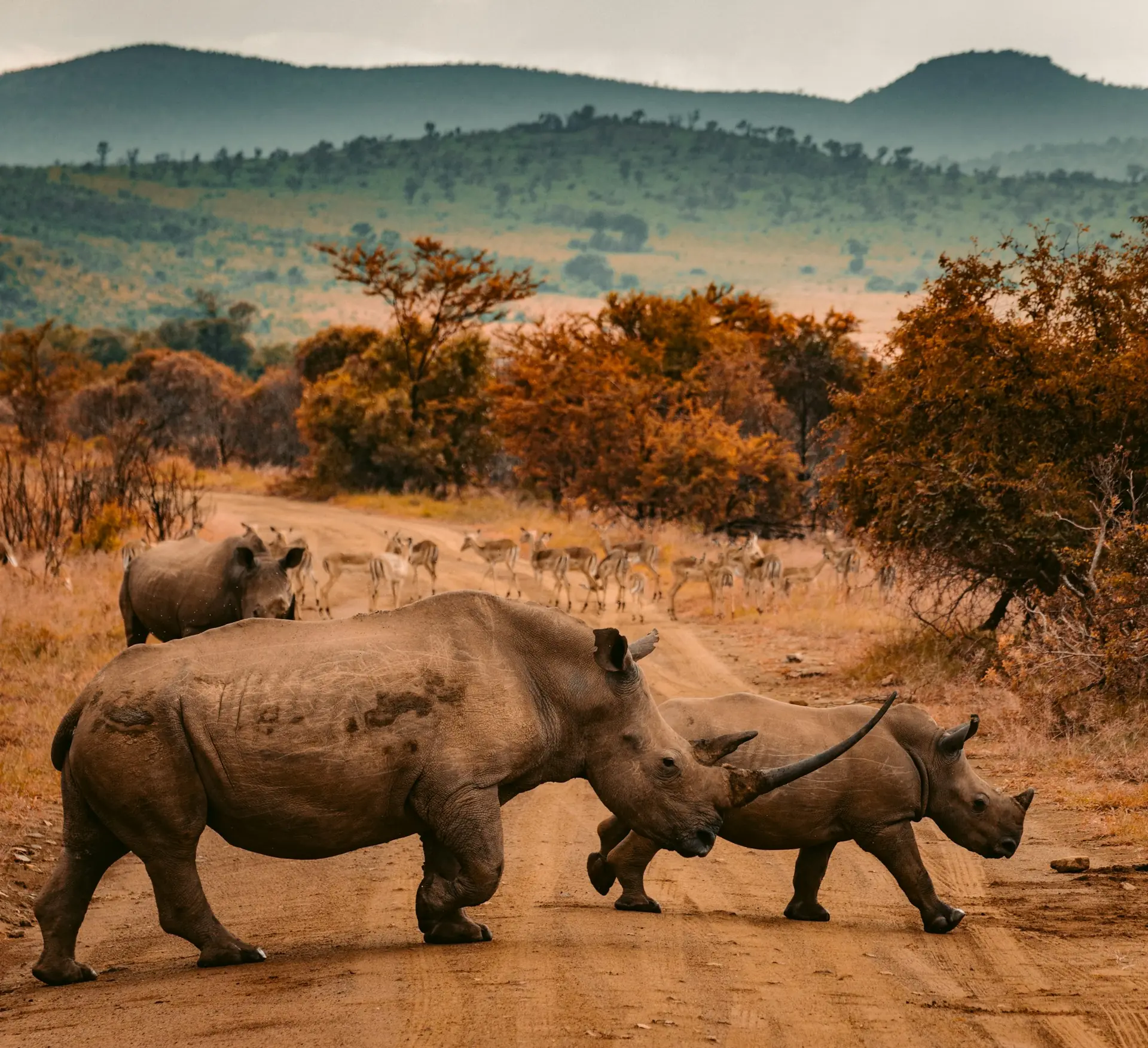
The black rhino is the real argument: very few are left in Tanzania and the crater is one of the very few places they are still seen with any regularity, though usually at a distance.
The hour you descend changes everything
Descent permits run six hours and nearly all vehicles come in down the same ramp. Go down at nine and you meet the whole queue; go down at opening, half past six, and you have an hour and a half of crater almost to yourself before the rest arrive.
That is why sleeping on the rim matters. The lodges up top are twenty minutes from the descent; the ones outside the conservation area are more than an hour of mountain road away, and by the time they arrive the best light is gone.
The rim and what surrounds it
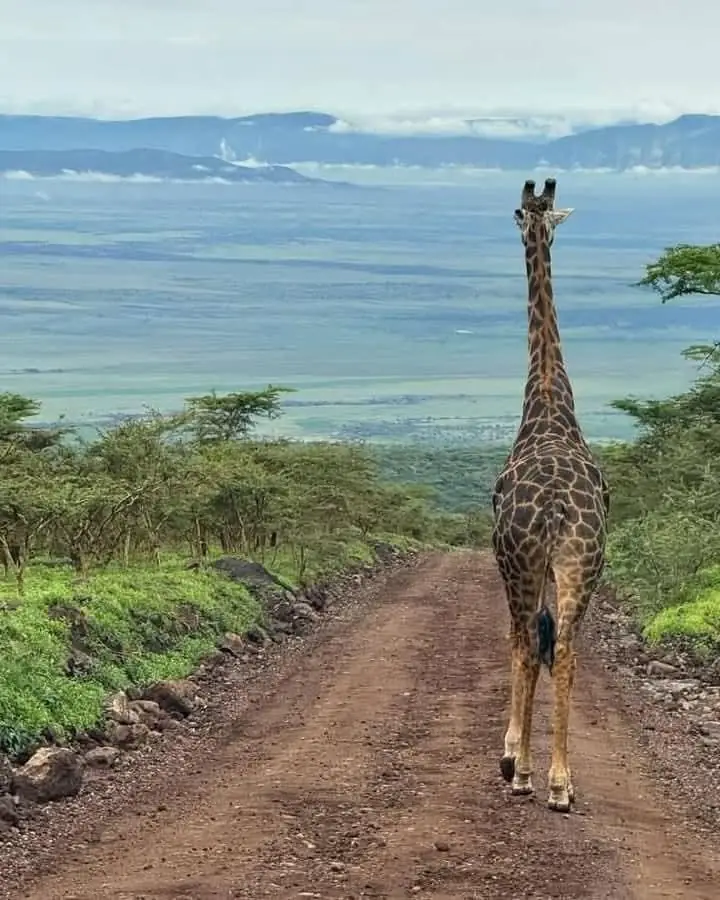
The Ngorongoro Conservation Area is not only the crater: it is 8,000 square kilometres where, unlike a national park, the Maasai are allowed to go on living and grazing. Cattle and herders with the crater behind them are part of the landscape.
And less than two hours away is Olduvai Gorge, where the Leakeys found some of the most important hominin remains known. You can stop on the way to the Serengeti.